


Mistakes To Avoid When Divorcing Over 50
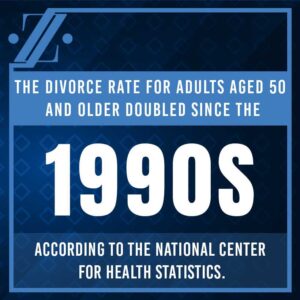
 Divorce is never easy, but for those over 50, it presents challenges that can have long-lasting impacts. The phenomenon known as “gray divorce” has seen a significant increase in recent years, with the divorce rate for adults aged 50 and older doubling since the 1990s, according to the National Center for Health Statistics.
At Zentz Law, we fight for your future with fierce determination. This guide aims to help you navigate the complexities of gray divorce after 50 by highlighting the critical mistakes to avoid when divorcing your spouse. Our goal is to empower you with knowledge and confidence as you embark on this significant life transition. Contact us today at 317-220-6156.
Understanding the Unique Challenges of Divorcing Over 50
Emotional and Psychological Considerations
Divorcing over 50 often brings a host of emotional and psychological challenges. Coping with loneliness, depression, and a sense of lost identity can be overwhelming. It’s crucial to address these issues head-on. Engage in therapy, join a support group, or lean on friends and family to help you through this tough time of leaving your spouse.
Financial Implications and Tax Consequences
The financial consequences of a “gray divorce” can be devastating if not managed properly. The loss of dual income, coupled with the division of a retirement account and limited access to marital assets, can create significant financial strain. Understanding the full scope of your financial situation is paramount.
Social and Familial Changes
Divorce over 50 can strain relationships with adult children and grandchildren. It’s essential to communicate openly with your family to maintain these vital connections. Additionally, adjusting to a new social life post-divorce can be challenging, but finding new social circles and hobbies can help mitigate feelings of isolation without your spouse.
Common Mistakes To Avoid
Underestimating the Financial Impact
One of the most critical mistakes when divorcing over 50 is underestimating the financial impact. Many older adults fail to recognize the high cost of living independently. It’s essential to have a sound financial plan that addresses both current and future expenses, including healthcare and retirement costs.
Failing To Update Estate Plans
Neglecting to update your estate plans is a common oversight. After a divorce, it’s crucial to revise your will, beneficiaries, and other estate planning documents to reflect your new circumstances. This step ensures that your assets are distributed according to your wishes and not based on outdated plans.
Rushing the Divorce Process
Hasty decisions can lead to regrettable outcomes. Taking the time to understand your options, whether mediation or litigation, can prevent unnecessary financial and emotional strain. A well-considered approach to the divorce process is non-negotiable.
Neglecting To Plan for Retirement With a Financial Advisor
Failing to plan adequately for retirement is another significant mistake. Divorce can drastically alter your retirement plans. See that you review and adjust your retirement accounts and contributions to secure a comfortable retirement.
Overlooking Tax Implications
 Ignoring the tax consequences of asset division can lead to unexpected financial burdens. It’s vital to understand how divorce affects your tax liabilities, including retirement accounts and potential capital gains. Consulting a financial advisor can help optimize tax allocation for you and see that you don’t overlook certain valuable tax benefits.
Not Seeking Professional Advice From a Divorce Attorney
Attempting to navigate divorce without professional assistance is a serious misstep. Consulting with an experienced family law attorney and financial advisors ensures that you make informed decisions. Their experience can guide you through the legal issues and financial complexities of divorce proceedings.
Financial Mistakes To Avoid
Not Understanding the Value of Assets
Misjudging the value of shared assets, such as the marital home, investments, and retirement funds, can lead to inequitable settlements. It’s crucial to obtain accurate valuations to ensure a fair division of marital property.
Ignoring future financial obligations, such as healthcare and long-term care costs, can result in inadequate savings. Plan for these expenses to avoid financial stress down the road.
Taking on Unnecessary Debt
Accumulating debt during or after divorce can compound financial difficulties. It’s essential to manage your credit effectively and avoid unnecessary financial strain. Be cautious of joint debt liabilities and work with your divorce lawyer to address these issues.
Ignoring the Impact on Social Security Benefits
Understanding how divorce impacts Social Security benefits is vital. Divorced individuals may be eligible for benefits based on the earnings of their ex-spouse, but certain conditions must be met. Ensure you are fully informed to maximize your benefits and avoid losing out on this important source of retirement income.
Health Insurance Considerations
One often overlooked aspect of divorcing over 50 is the impact on health insurance coverage. If you were previously covered under your spouse’s employer-sponsored plan, as the non-employee spouse, you may find yourself without insurance post-divorce. This can be particularly concerning for older adults who may develop issues with their health or have existing conditions.
To avoid the mistake of losing insurance coverage, consider these options:
- COBRA Coverage: You may be eligible to continue coverage under your ex-spouse’s plan for a set period, typically up to 36 months. However, be prepared for a higher cost, as you’ll be responsible for the full premium.
- State’s Healthcare Exchange: Explore options available through the Affordable Care Act marketplace. There may be exemptions offered or subsidies available based on your new financial situation.
- Individual Plans: Research individual health insurance plans that cater to your specific needs and budget.
- Employer-Sponsored Plans: If you’re employed, check if you can enroll in your company’s insurance plan outside of the usual open enrollment period due to your change in marital status.
- Negotiating Coverage in Divorce Settlement: Work with your attorney to possibly include continued health insurance coverage as part of your support agreement.
Remember, obtaining coverage promptly after divorce is crucial to avoid gaps in protection and potential financial devastation should you develop health issues.
Legal Mistakes To Avoid
 Choosing an attorney without experience in gray divorce can jeopardize your case. At Zentz Law, our team specializes in protecting the rights and interests of clients over 50 through the gray divorce process.
Overlooking important legal documents: Failing to address essential paperwork, such as Qualified Domestic Relations Orders (QDROs) for pensions and future pension benefits, can have long-term legal consequences. Ensure all legal documents are properly handled and enforceable.
Ignoring mediation or collaborative divorce options: Alternative dispute resolution methods, such as mediation or collaborative divorce, can be beneficial. These options often lead to more amicable settlements and can reduce the emotional and financial toll of divorce proceedings on one partner or both.
Emotional and Psychological Mistakes To Avoid
Neglecting mental health: Divorce can take a significant toll on mental health. Ignoring the need for therapy or counseling can lead to prolonged emotional distress. Seeking professional help is a sign of strength, not weakness.
Making decisions based on emotions: Allowing emotions to drive decision-making can result in regrettable choices. It’s essential to approach the divorce process with a clear, rational mindset to make each financial decision.
Isolating yourself from friends and family can exacerbate feelings of loneliness. Building a robust support system is crucial for emotional well-being during and after the divorce.
Tips for a Successful Transition
Financial planning: Creating a comprehensive post-divorce budget is essential. Consult with a financial advisor to develop a sound retirement plan and manage your financial assets effectively. This includes addressing retirement savings, unexpected capital gains taxes, and other tax liabilities that may arise.
Legal preparedness: Staying informed about your legal rights and options is critical. Keep all legal documents organized and accessible and consult with your divorce attorney regularly to avoid legal disputes and unexpected finances.
Emotional well-being: Engaging in hobbies and social activities can significantly improve your emotional health. Surround yourself with supportive individuals and seek therapy if needed to navigate the challenges of divorcing over 50.
Social and familial relationships: Maintaining healthy relationships with children and grandchildren is vital. Open communication and mutual understanding can help preserve these important connections.
Additional Considerations for Divorcing Over 50
- Life insurance policies: Review and update beneficiaries on life insurance policies to reflect your new circumstances and ensure your wishes are honored.
- Credit protection: Be vigilant about your credit score during and after divorce. Non-payment of joint debts by the other spouse could lead to credit damage, potentially limiting your access to future loans or credit.
- Spousal support: Understand the implications of receiving or paying spousal support, including its impact on your taxes and long-term financial planning.
- Division of retirement assets: Work with your divorce attorney and financial advisor to ensure an equitable division of retirement assets, considering the tax implications and long-term growth potential of different accounts.
- Future healthcare costs: Factor in potential future healthcare expenses when negotiating your divorce settlement, especially if you’re at risk of developing health issues.
- Social Security strategies: Explore strategies to maximize your Social Security benefits, which may include claiming benefits based on your ex-spouse’s record if you meet certain criteria.
- Tax planning: Consult with a tax professional to understand the tax consequences of your divorce settlement, including the treatment of alimony, property transfers, and retirement account distributions.
- Long-term financial security: Focus on securing your financial future by creating a comprehensive plan that addresses retirement, healthcare, and potential long-term care needs.
Contact a Zentz Law Divorce Attorney
 Navigating divorce over 50 requires careful planning and professional guidance. By avoiding these common mistakes and seeking the right support, you can secure a brighter future for the next phase of your life.
At Zentz Law, we are committed to fighting for your best interests with fierce determination and unwavering support. Our experienced family law attorney understands the unique challenges of gray divorce and can help you navigate the complex legal, financial, and emotional aspects of ending a long-term marriage.
Empower yourself with the right knowledge and support. Contact Zentz Law today to discuss your case and take the first step toward a secure future. Don’t let the common divorce mistakes and related deadlines preclude you from achieving a comfortable retirement and a fulfilling life post-divorce.
Let us help you navigate this challenging time with your spouse and emerge stronger on the other side. Call us today at 317-220-6056.